Booking a Table Without Oversharing: A Diner’s Privacy Note
Booking a Table Without Oversharing: A Diner’s Privacy Note
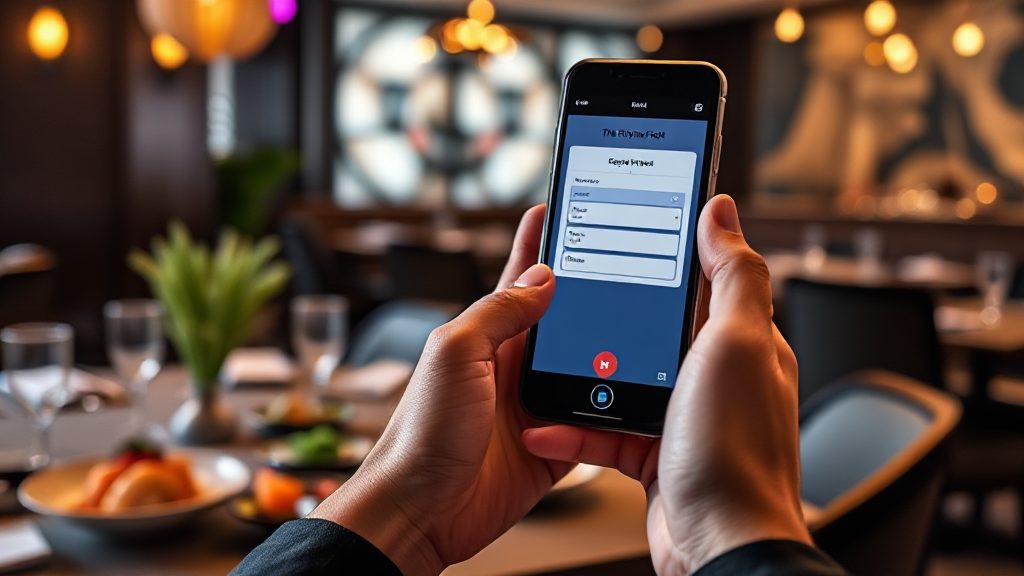
A diner types a phone number into a reservation form, then pauses. Where does that number go, who can see it, and is it really needed just to hold a table for two? If you have ever hesitated at that field, you are not alone. This note walks through what a typical restaurant booking form collects, what it does not need, and how to share only what is necessary. If you are browsing a menu before you book, the same logic applies: start with the meme4d daftar page to see what is on offer, then decide what details to hand over.
What a Reservation Form Usually Collects
Most restaurant booking forms ask for a small, predictable set of details. These are not secret, but it helps to know why each one appears.
Name and contact details
A name lets staff greet you and label the table. A phone number is the most common contact method because restaurants use it to confirm, change, or cancel a booking. Email is often optional and used for confirmations or receipts.
Date, time and party size
These three fields drive the entire booking. They tell the kitchen how many covers to prepare and the floor team which table to hold. They are essential, not optional.
Special requests
Allergies, accessibility needs, high chairs, or a quiet corner are usually free-text fields. They are genuinely useful, but they are also where diners sometimes over-share.
Payment details
Some restaurants ask for a card to hold a table, especially for large groups or peak slots. Many do not. If a card is requested, it should be clear whether it is a hold, a deposit, or a no-show fee.
What Is Optional and What You Can Skip
Not every field is required, even when it looks that way. A good rule is to fill only what the booking genuinely needs.
Fields you can usually leave blank
- Marketing opt-ins and newsletter checkboxes
- Full postal address, unless a delivery or invoice requires it
- Date of birth or other identity details
- Extra contact channels beyond one reliable number or email
Fields to fill carefully
Special-request boxes are useful but visible to staff. Keep them short and relevant: “nut allergy,” “wheelchair access,” or “birthday, no singing please.” You do not need to explain your whole evening.
Fields that should raise a question
If a form asks for a government ID number, a full home address, or payment details for a standard table, pause. Ask why. A legitimate restaurant should be able to explain the purpose in one sentence.
A Short Minimisation Checklist for Diners
Privacy at the booking stage is mostly about small habits. None of these take long, and together they reduce what you hand over.
- Use one contact method. Give a phone number or an email, not both, unless the restaurant needs both to confirm.
- Skip marketing boxes. Uncheck pre-ticked consent boxes for newsletters and promotions.
- Keep notes brief. Put only the information staff need to serve you safely.
- Check the confirmation. Make sure the booking details are correct before you close the page.
- Ask about retention. If you are curious, ask how long booking details are kept after your visit.
- Book directly where you can. A restaurant’s own reservation page usually has clearer terms than a third-party platform.
These steps are not about distrust. They are about matching the information you give to the job the restaurant actually has to do. If you are planning a meal and want to check the menu first, the meme4d daftar page is a sensible starting point before you fill in any form.
Reading the Form Before You Submit
Before you press the button, take ten seconds to scan the page. Look for a short privacy notice, a link to terms, and a clear statement of what happens next. If a form is vague about who sees your details, that is a signal to ask before you book.
Questions worth asking
- Will my number be used only for this booking?
- Is my email shared with any third party?
- How do I change or cancel, and does that affect my data?
- Is a card hold required, and when is it charged?
What good looks like
A well-built booking form asks for the minimum, explains the card hold clearly, and keeps marketing separate from the reservation itself. It also gives you a way to cancel without hunting through pages. When those pieces are present, you can book with confidence and share only what is needed.
The short version: give the restaurant enough to hold your table and serve you well, and nothing more. That keeps the booking simple, and your details where they belong.
